
Opening your page…
You can still use the navigation while it loads.
Opening your page…
You can still use the navigation while it loads.
DSD Service System · Practice
Why a person can live in the community for years and belong to nothing in it, what natural supports actually are, how to map the places and people that already exist, and how to build one connection that does not depend on a paid worker.
45–50 minutes · 4 lessons · Voluntary learning
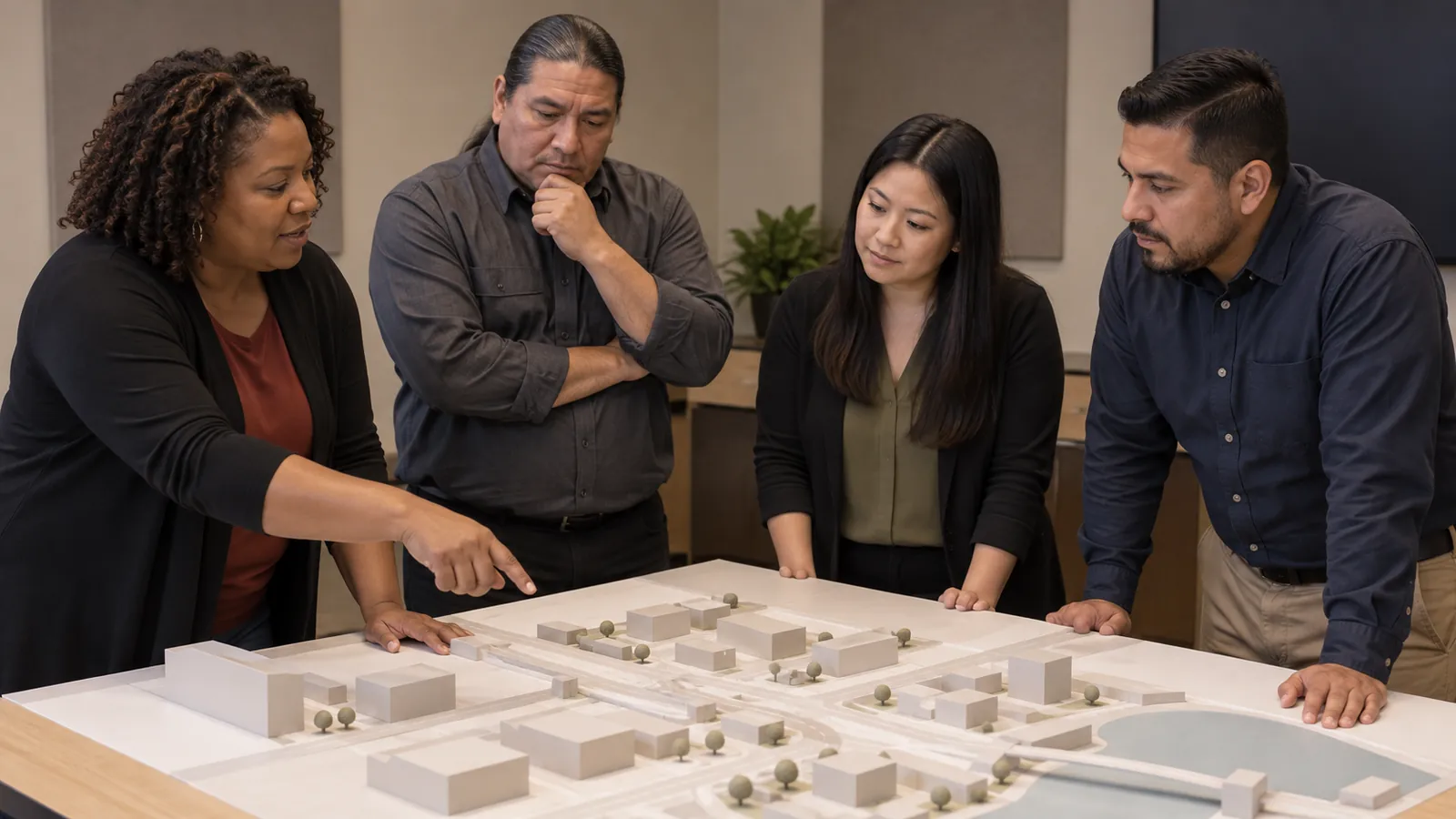
See the difference between being in the community and being part of it, and where plans produce the first while recording the second.
Learn what natural supports are, why services tend to replace them, and how to support one without professionalizing it.
Build a community map for one person that records the places, people and roles already in their life.
Plan one connection that does not depend on a paid worker, take the first step, and know when to step back.
For one person you support, count the people in their life who are not paid to be there; if the number is small, build the map.
The service system succeeded in moving people out of institutions and into the community, and then discovered that living in the community and belonging to it are different things. Many people served by the Division have no one in their lives who is not paid to be there. This module covers the difference between presence and belonging, what natural supports are and why services tend to displace them, how to map the places and people that already exist in a person's world, and how to build one real connection that holds without a worker in the middle. Nothing here is scored, ranked or collected.
Three tests: does anyone there know the person's name, does the person have a role, and would anyone notice if they stopped coming.
Stop recording presence as belonging, protect the natural supports the service tends to displace, and build one connection that holds without a worker in the middle.
Build the community map with one person and take the first step on one connection.
Participation and course completion in this program do not count toward DHS-required training credits unless management, a director, or DHS leadership expressly approves an exception.
State program information on services for Minnesotans with disabilities.
Minnesota's plan for supporting people with disabilities to live, learn, work and participate in the most integrated setting, including community engagement goals.
Federal requirements that home and community-based settings support full access to the greater community.
Resources on asset-based community development and community mapping.
Tools and writing on building community and relationships with people with disabilities.
State council offering guidance and technical assistance on disability access and policy in Minnesota.